
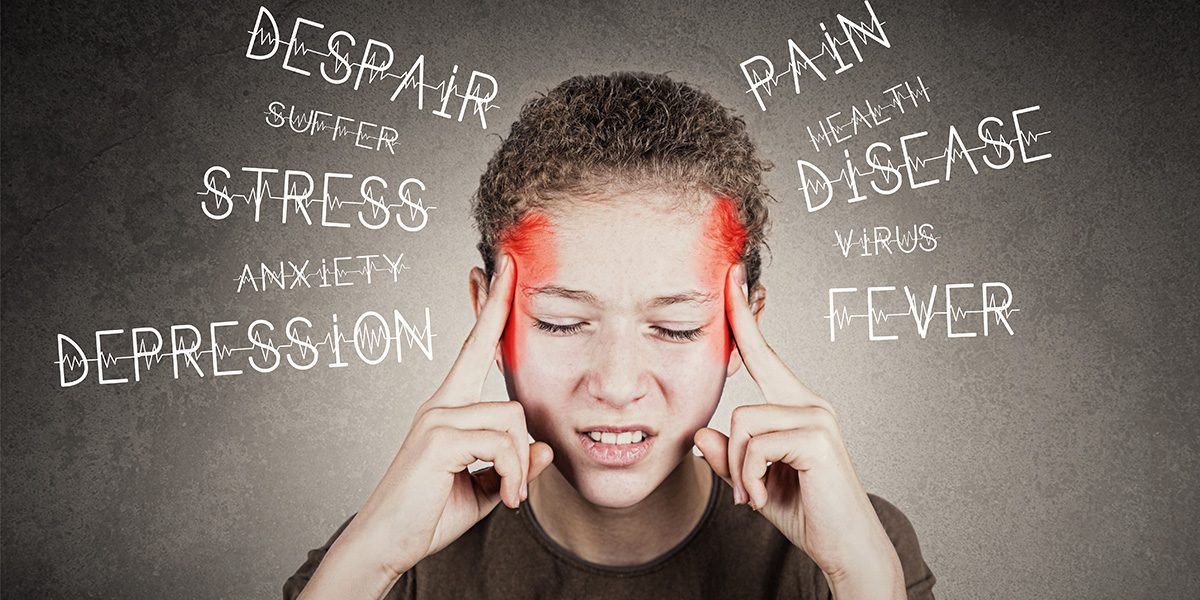
Stress and anxiety are often dismissed as normal side effects of modern life. Long work hours, constant notifications, academic pressure, relationship expectations—most people assume feeling overwhelmed is unavoidable. The problem is not stress itself. The problem is how unchecked stress and anxiety silently begin to control decisions, behavior, and self-worth.
Stress is the body’s natural response to perceived pressure. Anxiety is the mind’s anticipation of threat—real or imagined. In small amounts, both can be useful. They keep us alert, motivated, and prepared. But when stress and anxiety become chronic, they stop being signals and start becoming systems that run your life.
One of the most damaging effects of prolonged stress is narrowed thinking. When the nervous system remains in a constant state of alert, the brain prioritizes survival over reasoning. This leads to overthinking, impulsive decisions, emotional reactivity, and difficulty focusing. People often describe feeling “stuck,” “foggy,” or emotionally exhausted without understanding why.
Anxiety adds another layer. It convinces the mind that future outcomes are dangerous, uncertain, or uncontrollable. This results in avoidance—avoiding conversations, decisions, opportunities, or even rest. Over time, avoidance reinforces anxiety, creating a cycle where short-term relief leads to long-term limitation.
Relationships are often the first to suffer. Stress reduces patience and emotional availability. Anxiety fuels misinterpretation, fear of conflict, and overdependence on reassurance. What starts as internal pressure slowly becomes external tension—with partners, family, colleagues, and even oneself.
Many people attempt to manage stress through distraction: scrolling, overworking, binge-watching, or numbing routines. While these may provide temporary relief, they do not address the underlying patterns. In fact, they often increase emotional suppression, making anxiety resurface more intensely later.
This is where therapy becomes critical—not as a last resort, but as a structured intervention. Evidence-based therapy helps individuals understand how their stress response operates, identify thought patterns that fuel anxiety, and develop practical tools to regulate emotions. The goal is not to eliminate stress entirely—that is unrealistic. The goal is to change your relationship with it.
When stress and anxiety are understood and managed, clarity returns. Decision-making improves. Emotional reactions become proportional rather than overwhelming. Relationships feel more stable. Most importantly, people regain a sense of agency—the feeling that they are responding to life, not constantly reacting to it.
Ignoring stress does not make you strong. Understanding it does.
If stress or anxiety has begun shaping how you think, feel, or live, it may be time to stop managing symptoms and start addressing causes. Change does not begin when life becomes calm. It begins when you decide to build the internal capacity to handle it.
That is where real growth starts.